





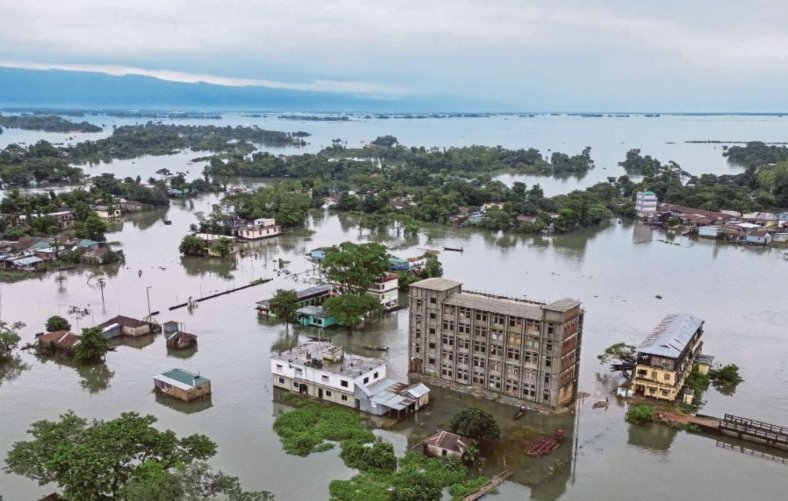
Bangladesh is facing a future of soaring temperatures, extreme rainfall, and severe climate impacts, according to recent studies and government reports. Experts warn that without urgent action, these changes could significantly disrupt daily life, agriculture, and the economy in one of the world’s most climate-vulnerable nations.
A report highlighted by Dhaka Tribune shows that Bangladesh is on track to “lose winter forever” by the end of the century, with average temperatures rising steadily and seasonal variations shrinking. The warming climate is expected to trigger longer heatwaves, reduced cool periods, and more intense summer conditions, creating stress for humans, animals, and crops alike.
Recent findings published by bdnews24.com show that by 2100, Bangladesh could experience unprecedented levels of heat and rainfall. Scientists warn of “extreme heat exposures” and “intense rain events” that will make certain regions nearly uninhabitable during peak summer months. The combination of high temperatures and heavy precipitation will likely increase flooding risks, damage infrastructure, and challenge food production.
The World Bank–sponsored report highlighted by The Business Standard estimates that extreme heat already cost Bangladesh $1.78 billion in lost productivity last year alone. Workers exposed to prolonged high temperatures suffer reduced performance and health risks, while heat-related illnesses have become more common in urban and rural areas.
Rising temperatures and erratic rainfall patterns threaten Bangladesh’s agriculture, which supports millions of livelihoods. Crops such as rice, wheat, and vegetables are vulnerable to heat stress and flooding, while coastal regions face compounding risks from sea-level rise and stronger monsoon events. Farmers report losses from unexpected heavy rainfall, which washes away seeds and damages soil quality.
In low-lying areas like Khulna, Barishal, and parts of Chattogram, communities already face frequent waterlogging and salinity intrusion. Climate experts warn that worsening heat and rainfall extremes could exacerbate these challenges, forcing residents to adapt quickly or face displacement.
High temperatures and heatwaves are creating public health concerns, especially for vulnerable populations such as children, the elderly, and outdoor workers. Dengue, cholera, and other vector-borne diseases are expected to spread more widely under warming and wetter conditions, according to climate-health assessments. Hospitals in urban centers report rising cases of heatstroke and dehydration during prolonged hot spells.
Dr. Mohammad Saleh, a climate expert, emphasizes: “Bangladesh is on the frontline of climate change. Every heatwave and extreme rainfall event reminds us that adaptation is no longer optional—it is essential for survival.”
While the forecasts are worrying, experts say proactive measures can significantly reduce the risks. Investment in resilient infrastructure, public awareness campaigns, and sustainable agricultural practices can help Bangladesh withstand rising temperatures and erratic rainfall patterns, protecting both human life and economic growth.
Bangladesh’s climate future may be challenging, but coordinated efforts between government agencies, scientists, communities, and international partners could help turn the tide—ensuring that the country adapts and thrives despite mounting climate pressures.

